














54% Reduction in Smart Start Child Care Scholarships Threatens Workforce Stability, Child Care Access, and Kindergarten Readiness for Laurens County First Step Families.
LAURENS, SC — Laurens County First Steps is raising serious concerns about the significant reduction in DSS Smart Start Child Care Scholarships and the devastating impact it will have on working families, young children, child care providers, and the local workforce.
South Carolina’s Child Care Scholarship Program supports more than 50,000 children statewide and serves as a critical workforce support for thousands of working families. Due to ongoing shortfalls in federal Child Care and Development Fund (CCDF) funding, the South Carolina Department of Social Services (SC DSS) paused most new and renewal scholarship applications in December 2025.
While families currently receiving scholarships are not losing assistance immediately, the pause means many cannot be renewed because their assistance expires after the initial 52 weeks of service. As a result, thousands of South Carolina children are set to lose access to child care assistance in the coming months, creating uncertainty for families, employers, and child care providers statewide.
The effects of this funding crisis are already being felt in Laurens County.
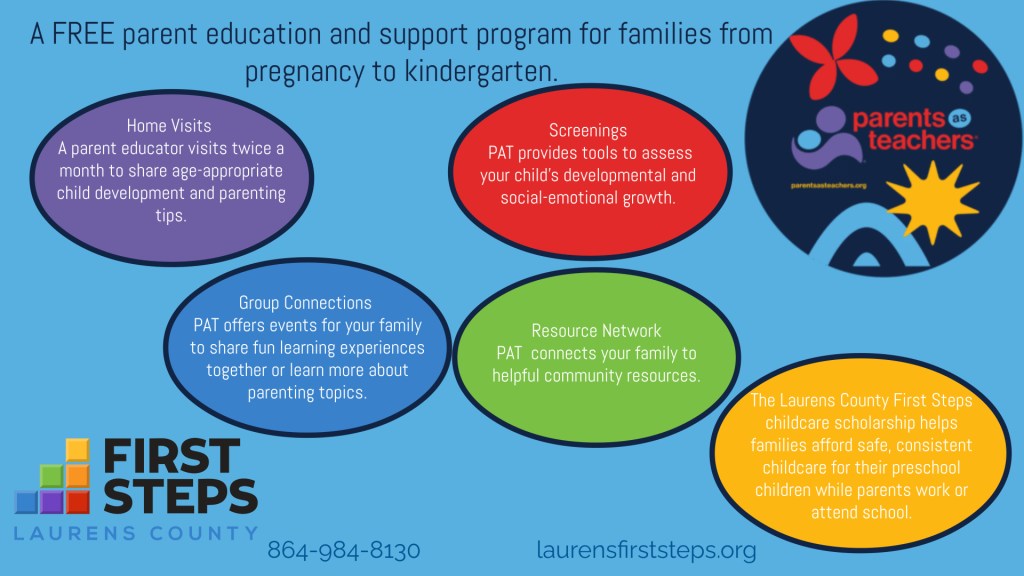
In Fiscal Year 2026, Laurens County First Steps provided child care scholarships to 20 families, supporting 24 children. These scholarships enabled parents to work and attend school while providing stable homes and ensuring their children had access to high-quality early childhood education.
For Fiscal Year 2027, Laurens County First Steps has been allocated only 11 scholarships—a 54 percent reduction.
Based on current enrollment projections, 17 families are expected to return to the Laurens County First Steps Parents as Teachers Program. As a result, only seven families will receive scholarship assistance, leaving ten families without support even though they meet eligibility requirements and actively participate in services designed to improve child and family outcomes.
The scholarship reduction comes at a particularly difficult time for Laurens County, which continues to face a shortage of child care options. Laurens County is considered a child care desert, meaning there are not enough child care slots to meet community demand. The reduction in scholarship funding further limits access to the child care services that do exist.
Families receiving child care scholarships through Laurens County First Steps are also enrolled in the organization’s evidence-based Parents as Teachers Program. In FY26, certified Parent Educators completed 299 home visits for enrolled families.
The 20 families participating in the program collectively faced 96 identified social, economic, educational, and personal risk factors. Through regular home visits, developmental screenings, parenting education, and resource referrals, Parents as Teachers helps families build protective factors and improve children’s outcomes.
For many enrolled families, Laurens County First Steps is their primary source of support.
The consequences extend far beyond individual families.
Recently, Laurens County First Steps surveyed licensed child care providers about the impact of the scholarship pause and reductions. Providers reported declining enrollment, increased financial strain, and growing uncertainty about their ability to remain open.
Several providers reported that families have withdrawn children from care because they can no longer afford tuition without scholarship assistance. Others reported turning away families who desperately need care due to a lack of funding.
“What is happening in Laurens County reflects a statewide crisis,” Able said. “When child care assistance becomes unavailable, families lose stability, employers lose workers, child care providers lose enrollment, are forced to reduce staff, and children lose access to high-quality early learning experiences that prepare them for school success. The consequences extend far beyond individual families.”
“The reduction in child care assistance affects not only families but also local businesses, employers, and the broader workforce. Parents who cannot afford child care are often forced to cut back on work hours, decline promotions, leave school or job training programs, or leave the workforce altogether.” “At a time when employers continue to face workforce shortages, reliable access to child care remains one of the most critical supports for enabling parents to work.”
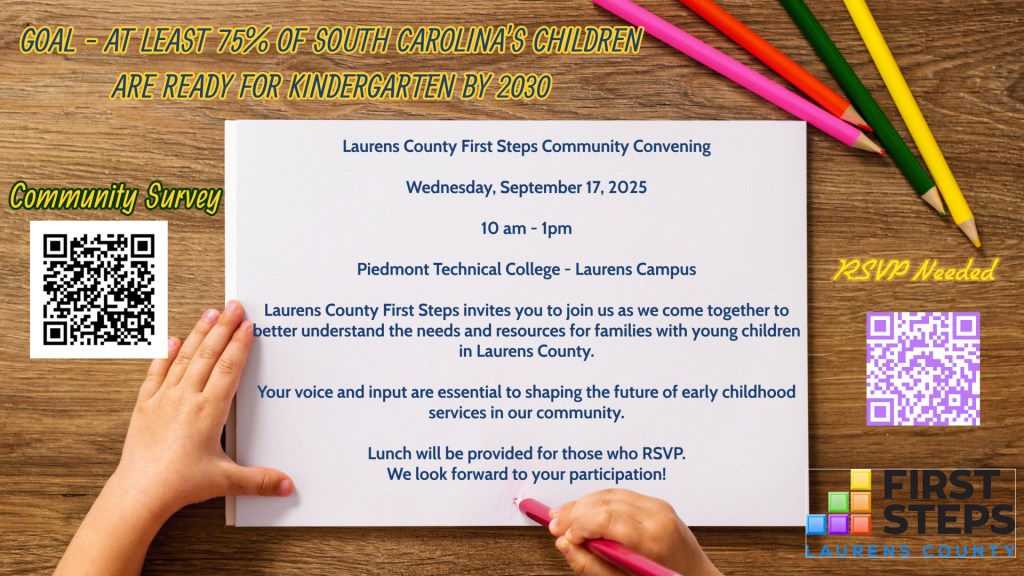
Improving kindergarten readiness is a critical step toward strengthening educational achievement, workforce development, and South Carolina’s future economic success. South Carolina First Steps has set a strategic goal that at least 75% of children will demonstrate readiness on the Kindergarten Readiness Assessment (KRA) by 2030. However, children do not become kindergarten-ready overnight. Child development experts agree that school readiness begins at birth and is shaped by early learning experiences, relationships, and environments in the first five years of life.
The children who will enter kindergarten and take the KRA in August 2030—those born between September 1, 2024, and August 31, 2025—are infants and toddlers today. If South Carolina expects 75% of these children to be kindergarten-ready by 2030, they must have access to high-quality early childhood education and supportive early learning experiences now.
Child care centers are more than places where children are supervised while parents work. They are educational environments where children develop language and literacy skills, social-emotional competencies, problem-solving abilities, and the foundational skills needed for school success. When families lose child care scholarships and can no longer afford quality early learning programs, children risk losing access to these critical developmental opportunities during the most important years of brain development.
Without access to high-quality early childhood education, stable learning environments, and enriching early learning experiences, achieving South Carolina’s kindergarten readiness goals is significantly more difficult.
“Children do not become kindergarten-ready overnight,” Able said. “If we expect 75 percent of children to be kindergarten-ready by 2030, we must invest in them today. The children who will enter kindergarten in 2030 are already here. The decisions we make today on child care and early education will determine whether they arrive at school ready to learn and succeed.”
What is the number one driver of the workforce economy 15 to 20 years from now?
The answer is early childhood development and education today.

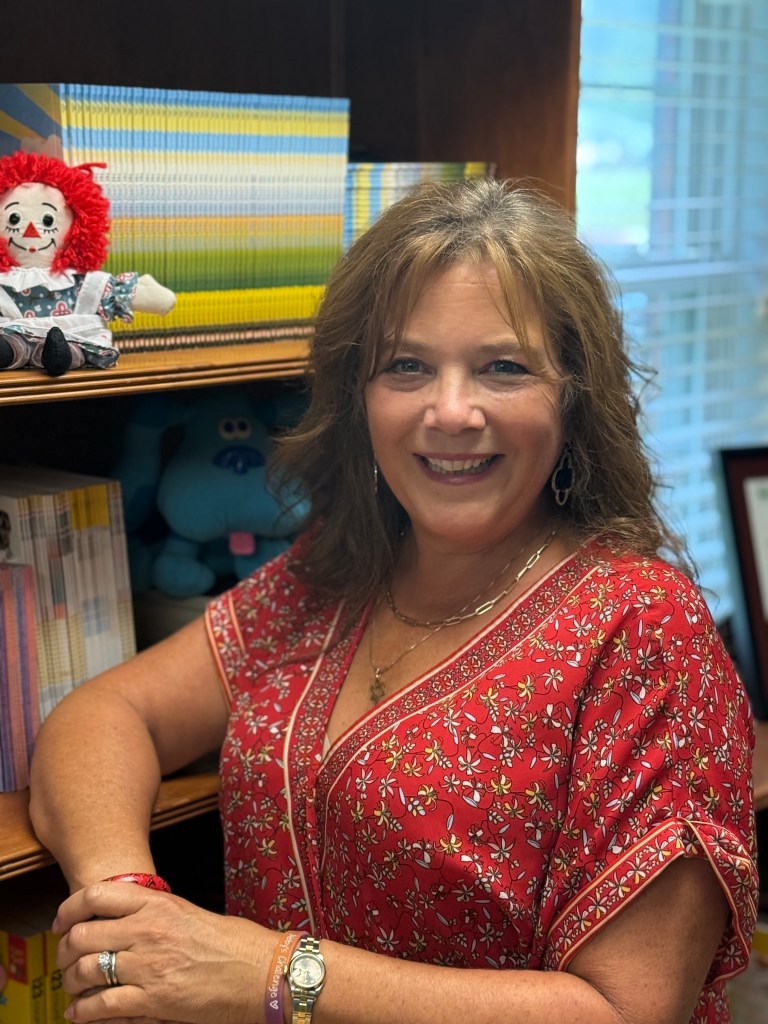
Toni Able, GCDF
Executive Director, Laurens County First Steps

